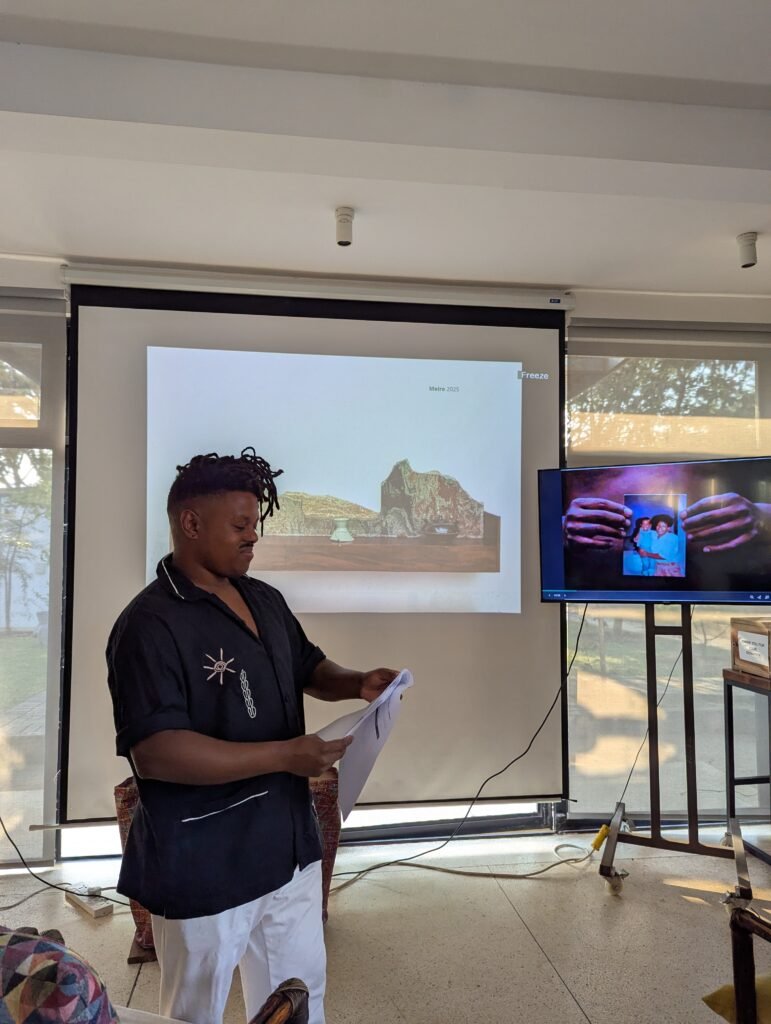
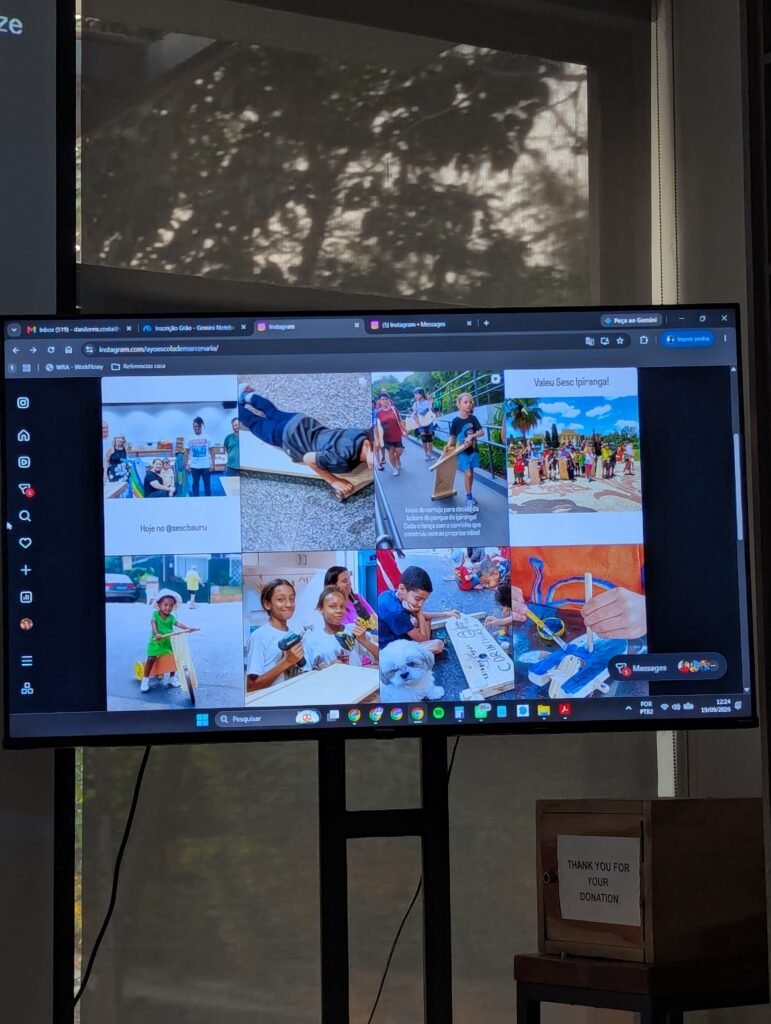
Danilo Reis is a visual artist, architect, cabinetmaker, and designer born in São Paulo, Brazil. His practice moves across sculpture, installation, performance, and design, investigating relationships between matter, body, object, labor, and immaterial dimensions. Drawing from woodworking and architecture, he displaces objects and techniques from their conventional uses, bringing together utility, ritual, and energy. His research is grounded in an Afro-Brazilian perspective and connects ancestral and contemporary forms of knowledge. He is the founder of AYO Escola de Marcenaria, where he develops educational practices that bring together traditional techniques, creative autonomy, and artistic production.
His artistic practice is grounded in the relationship between manual making, material, and the body. From this core, he investigates the tension between the object’s tangible dimension and the intangible dimensions that emerge from its relationship with memory, performance, and ritual. His journey with craftsmanship began in childhood with woodworking and later intersected with his training in architecture and design. Along this path, he established a dialogue between skilled craftsmanship, design thinking, and religious references drawing from African, Catholic, and Spiritist traditions that are part of his family background.
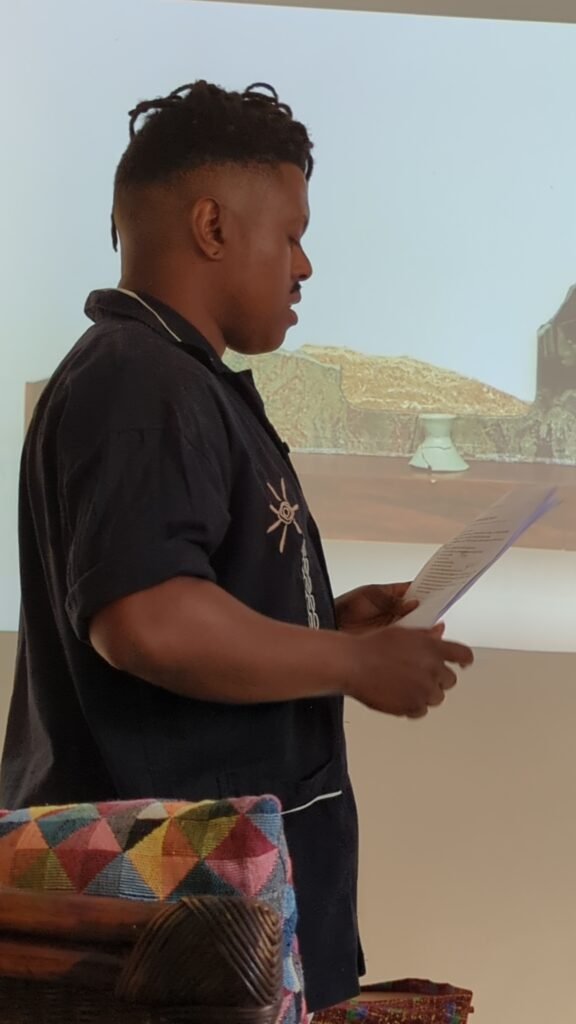
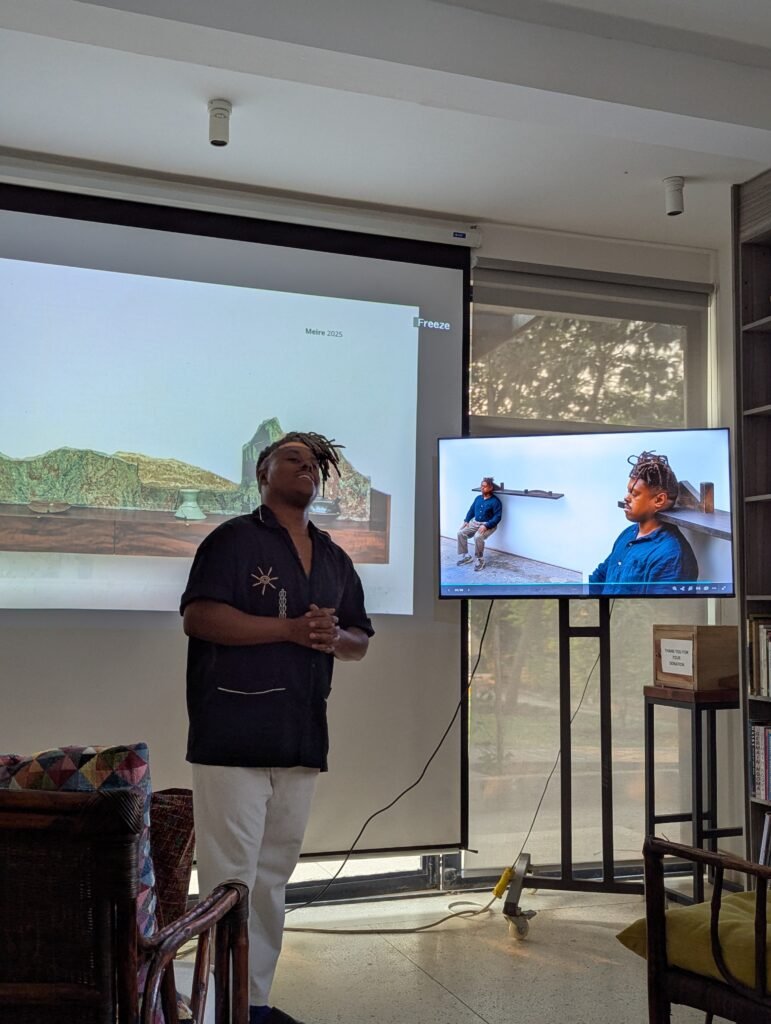
His talk situated at that very intersection: investigating the knowledge generated through working with materials and activated by the encounter between body, object, and gesture in both their material and immaterial dimensions.
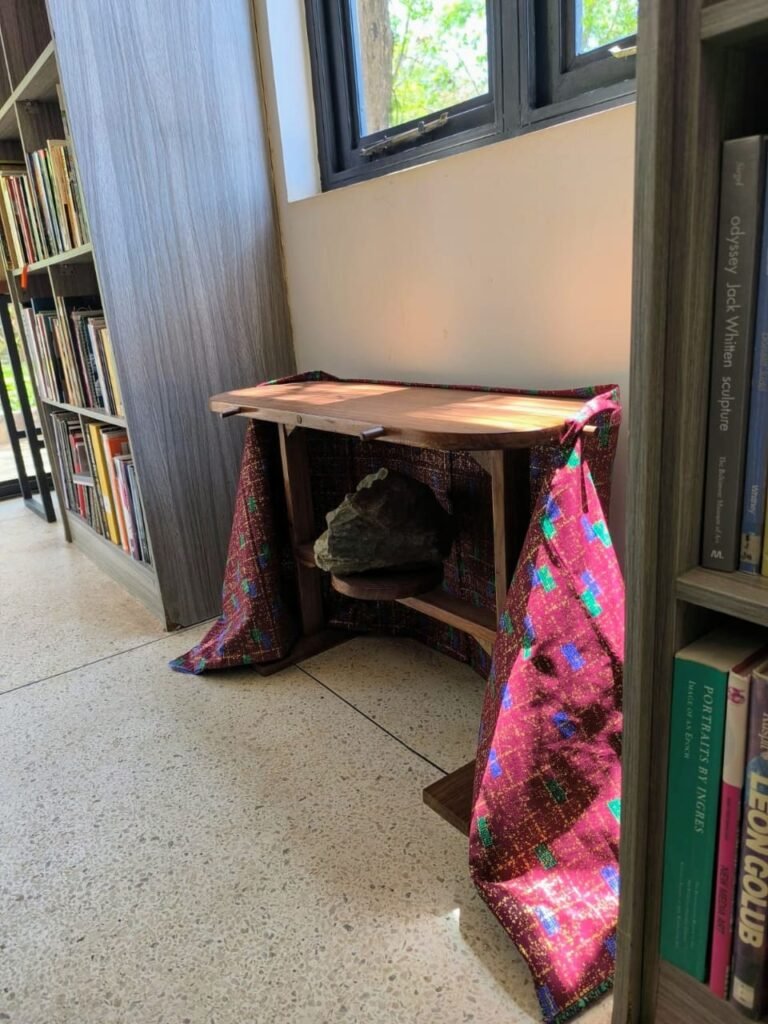
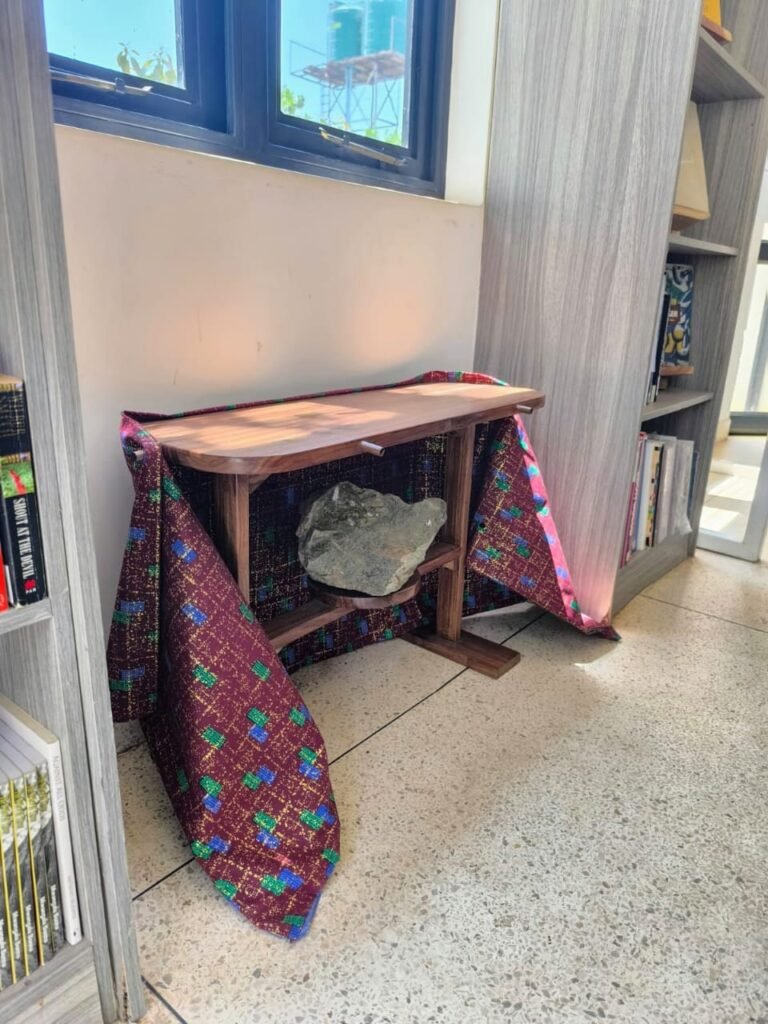
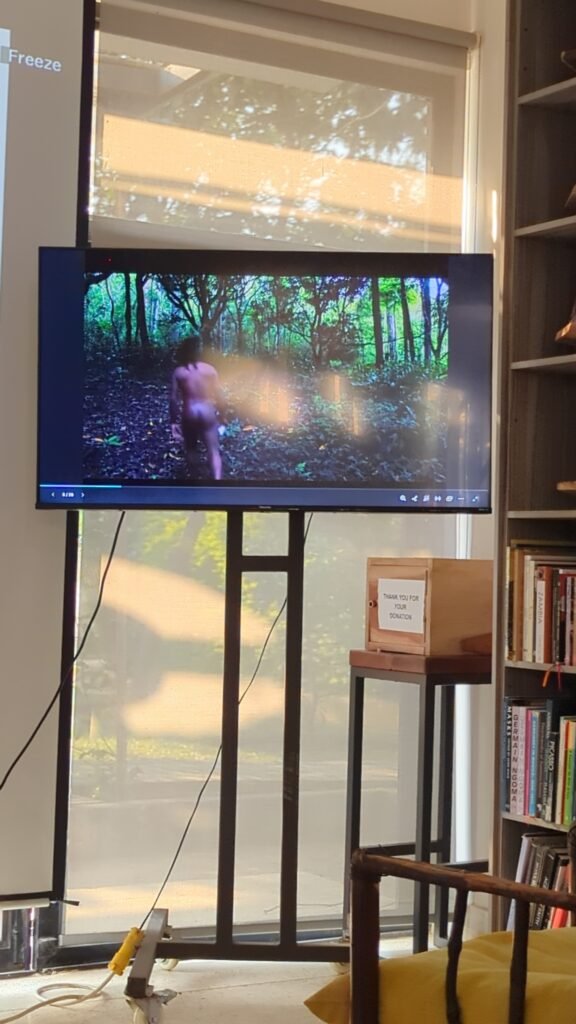
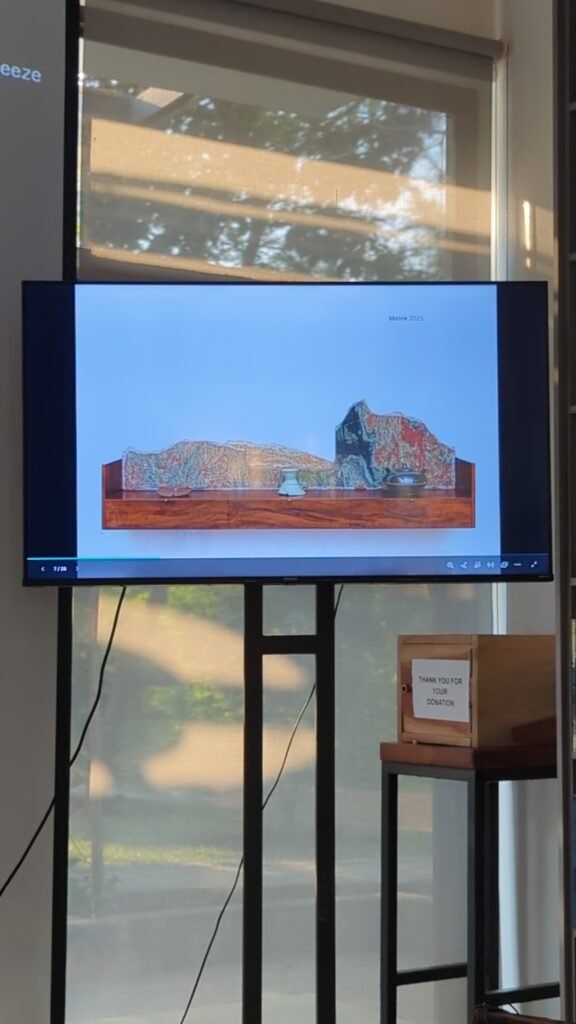
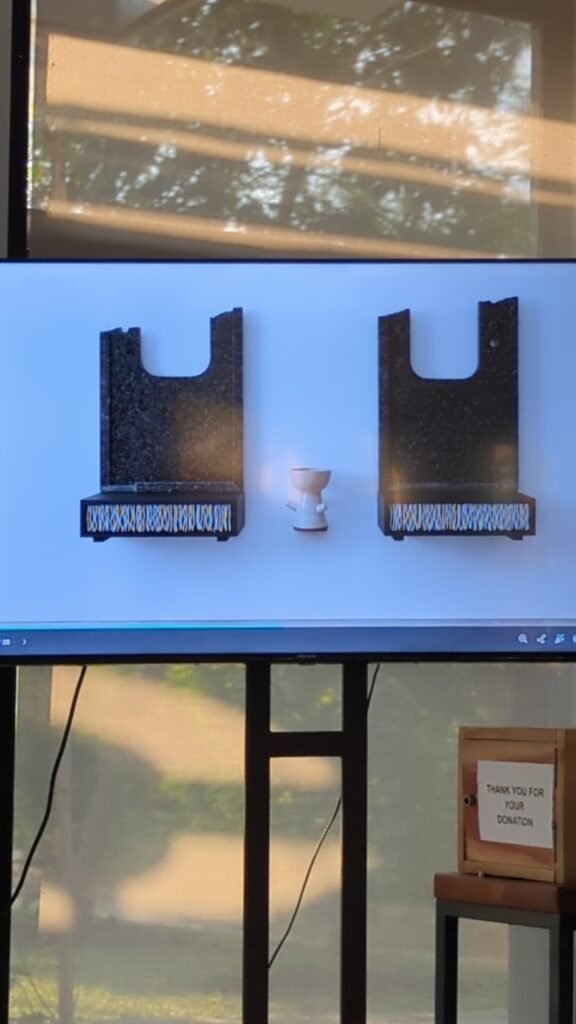
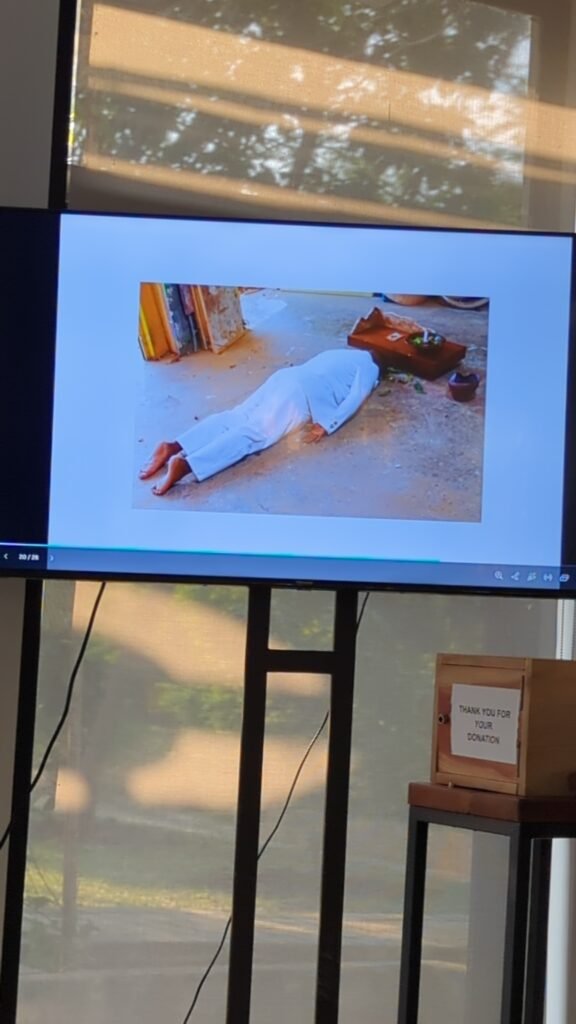
Taking from his recent artistic work as its starting point specifically the series “Ascensão“, “Adé Olorum“, and “A Cadeira do Espírito“, as well as the performance of “Altar“. In these works, woodworking techniques and the incorporation of materials and objects—laden with layers of use and meaning—challenge the utilitarian nature of furniture, bringing it into closer proximity with the body, gesture, space, and ritual. It is from these experiences that the questions to be addressed arise.
What can the performative relationship between body, furniture, and woodworking processes reveal about the transformation of an object’s utilitarian function and its potential to operate as a device for material and symbolic grounding?