HomeBlogGroup TutorialCritical Writing Workshop

Critical Writing Workshop

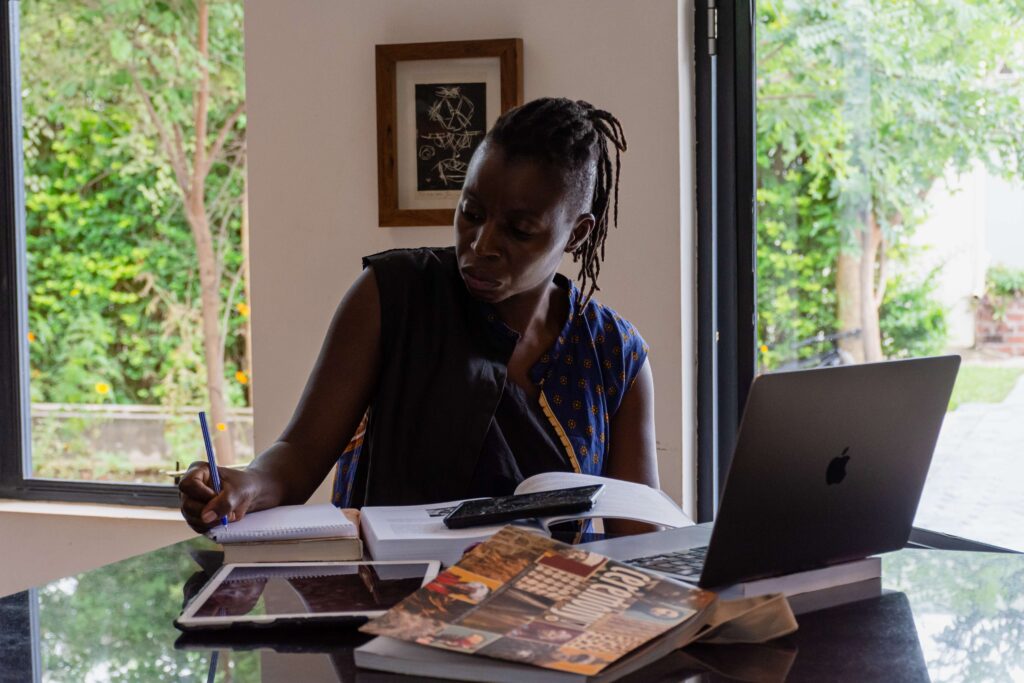
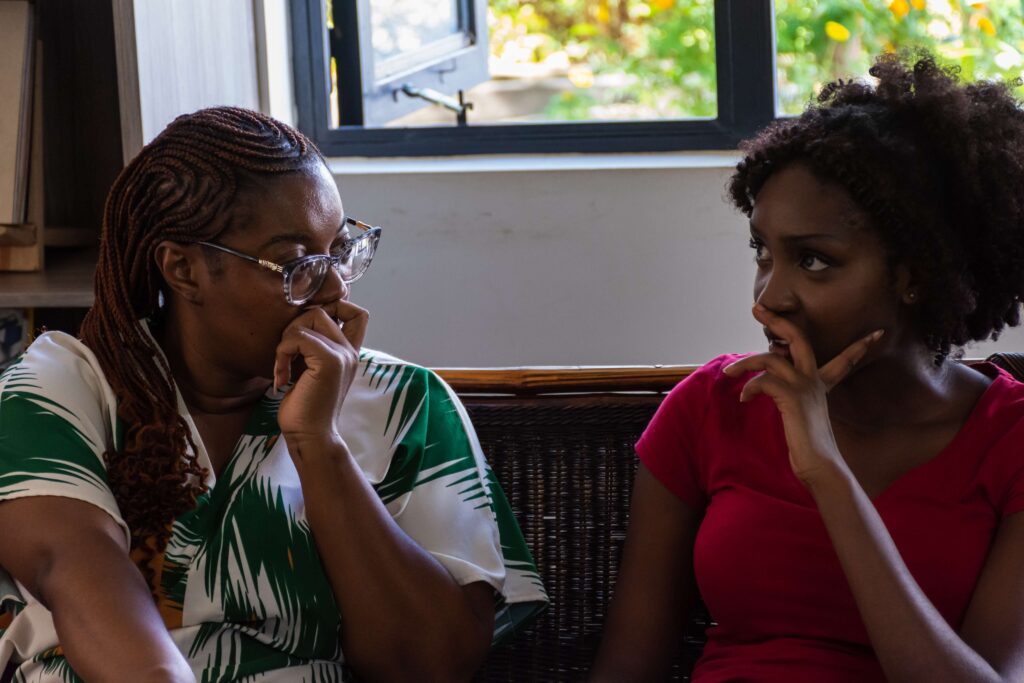
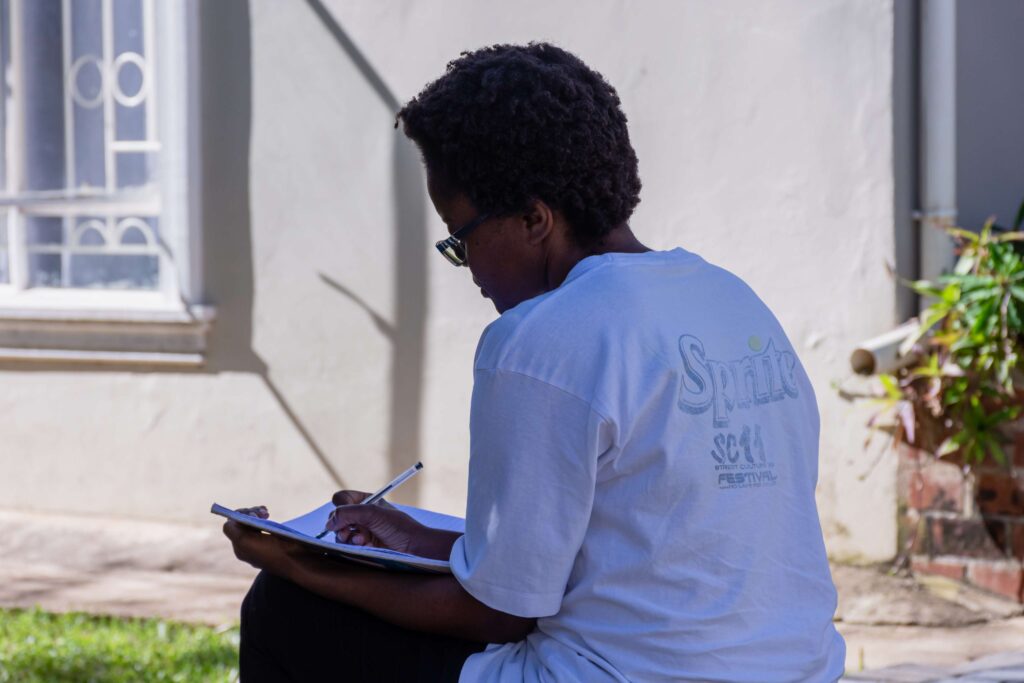
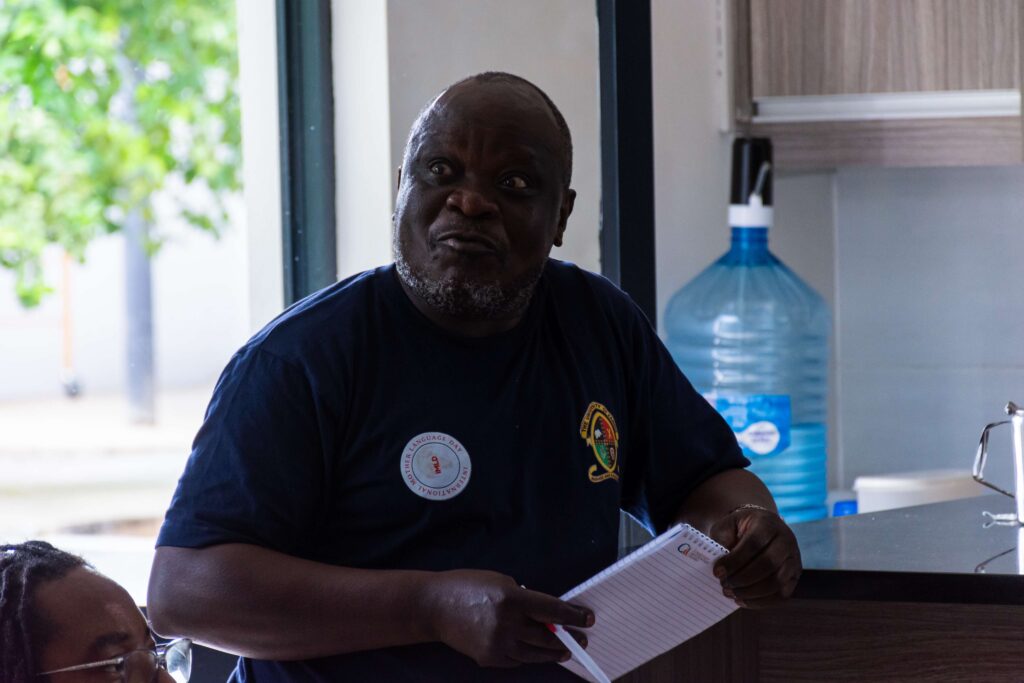
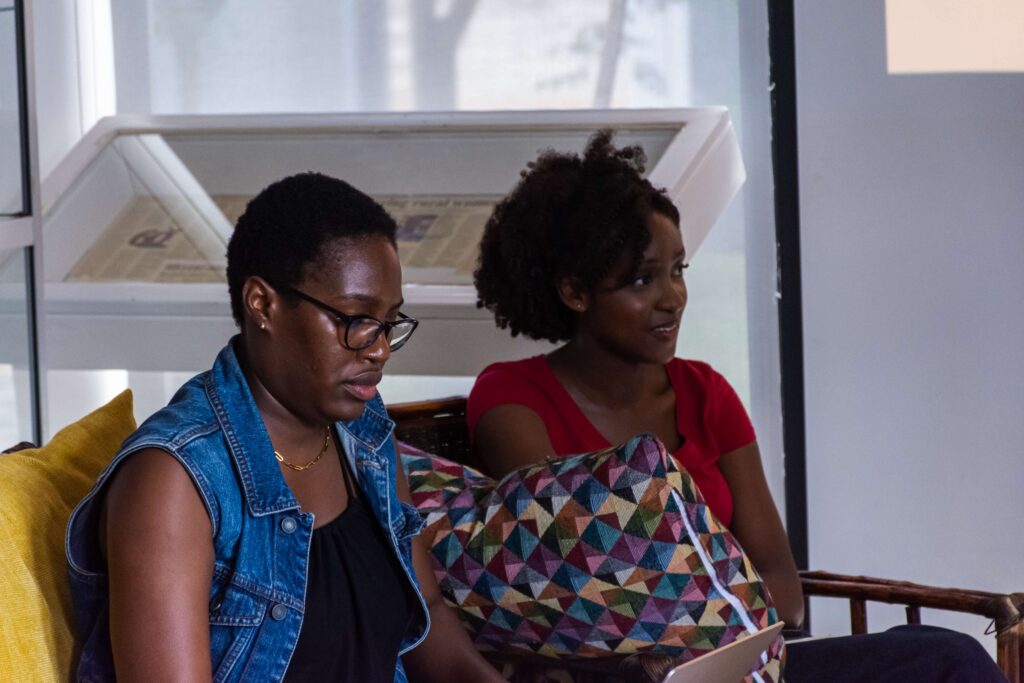
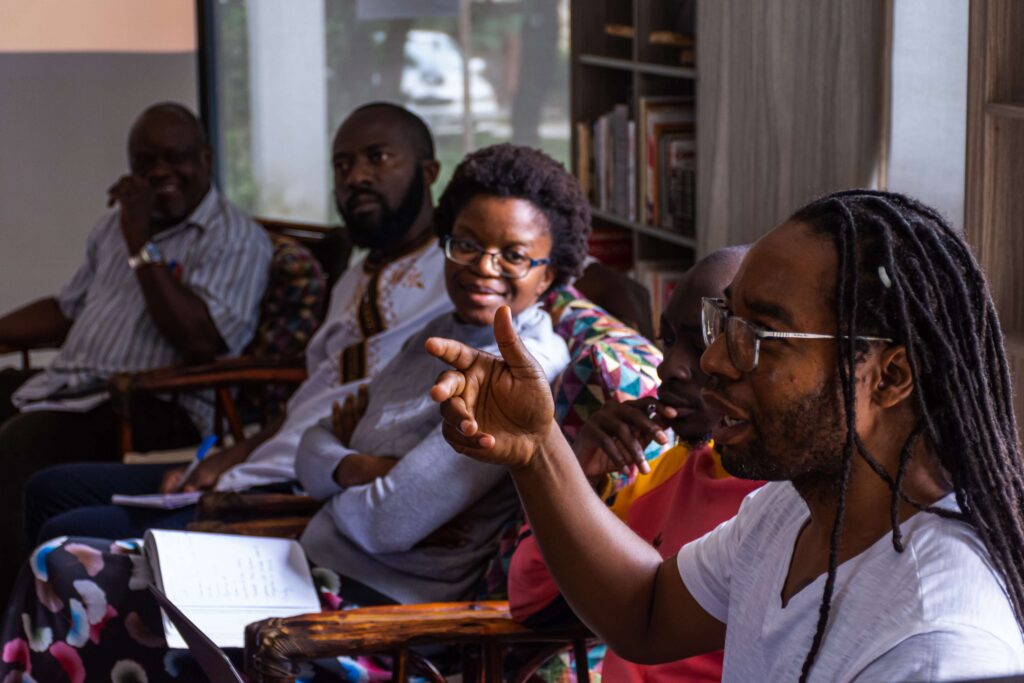
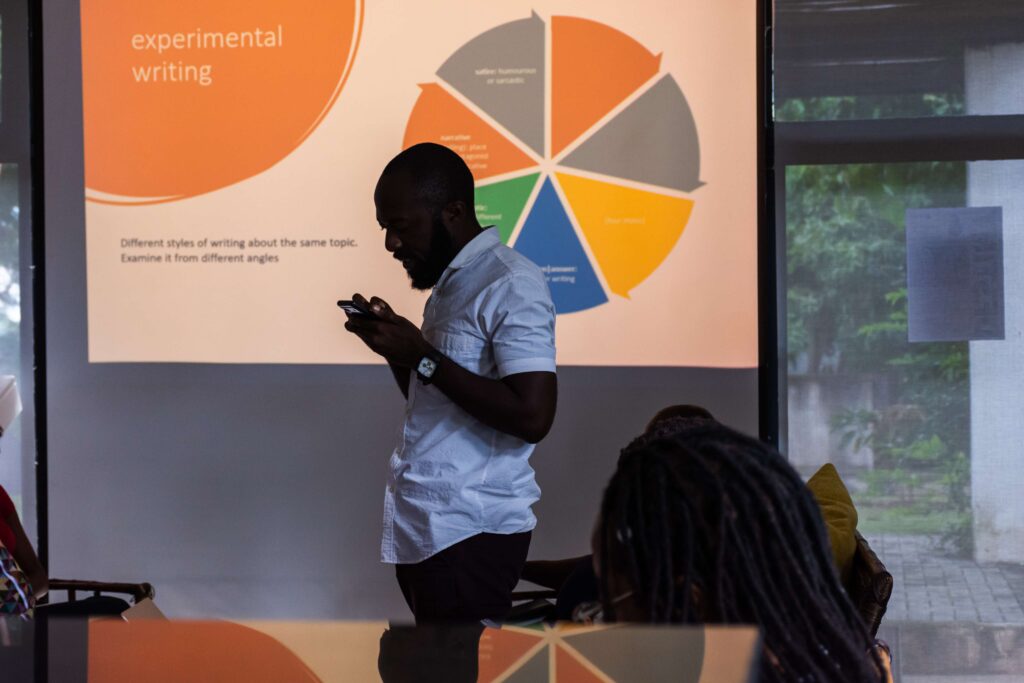
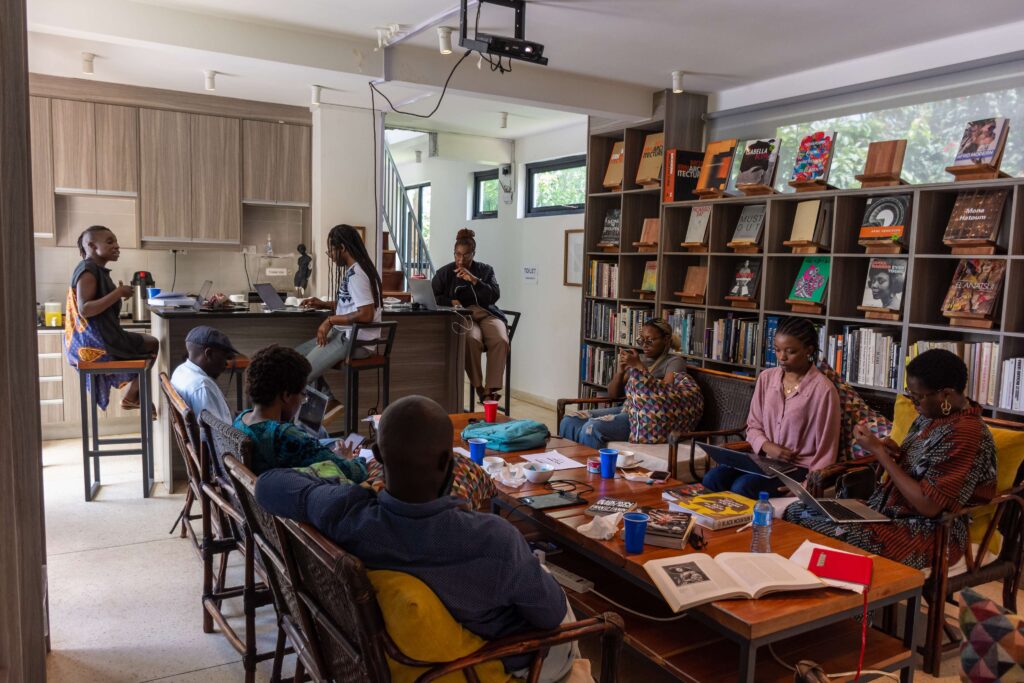
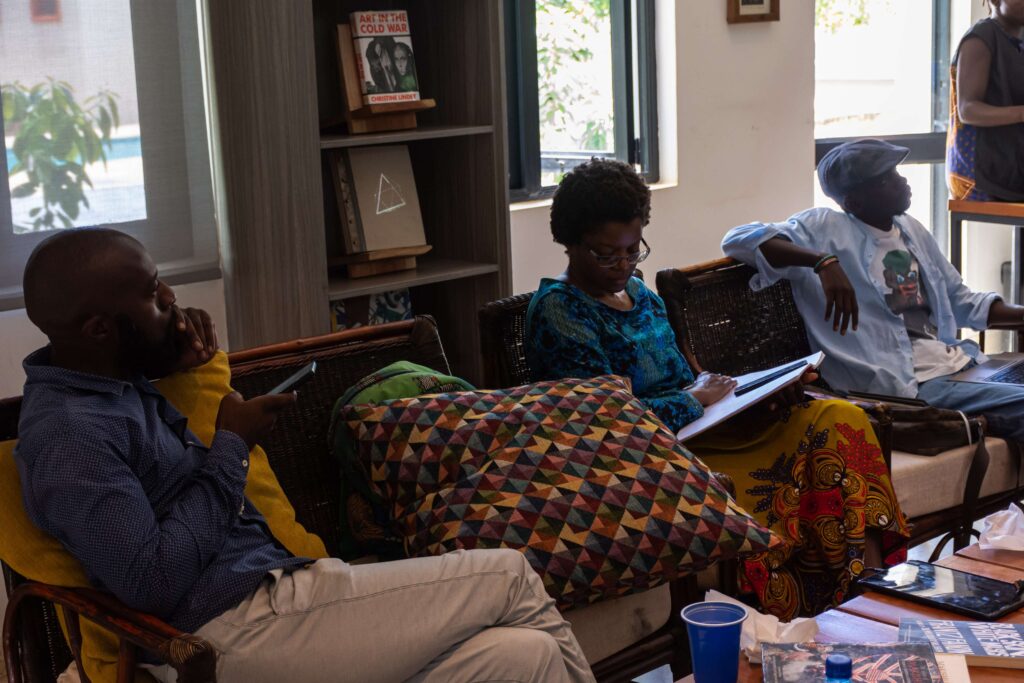
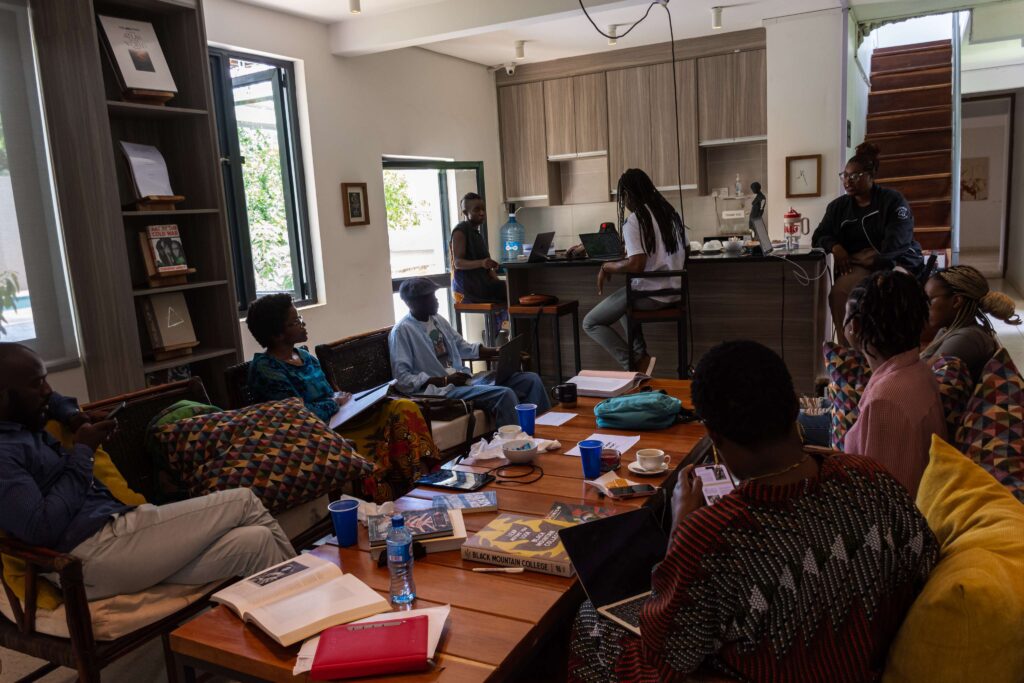
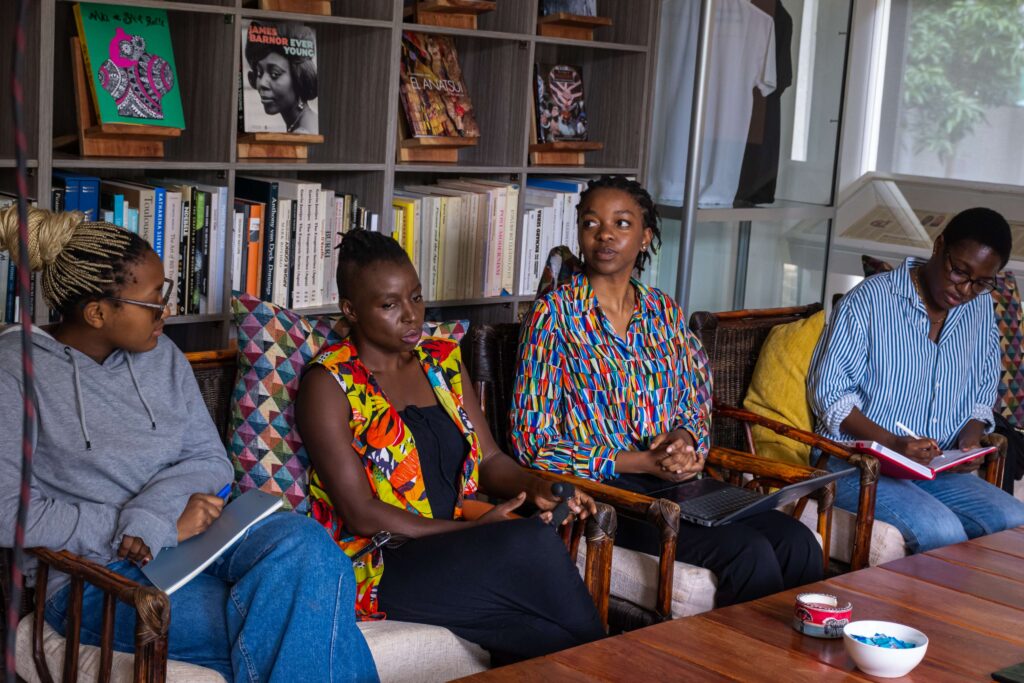
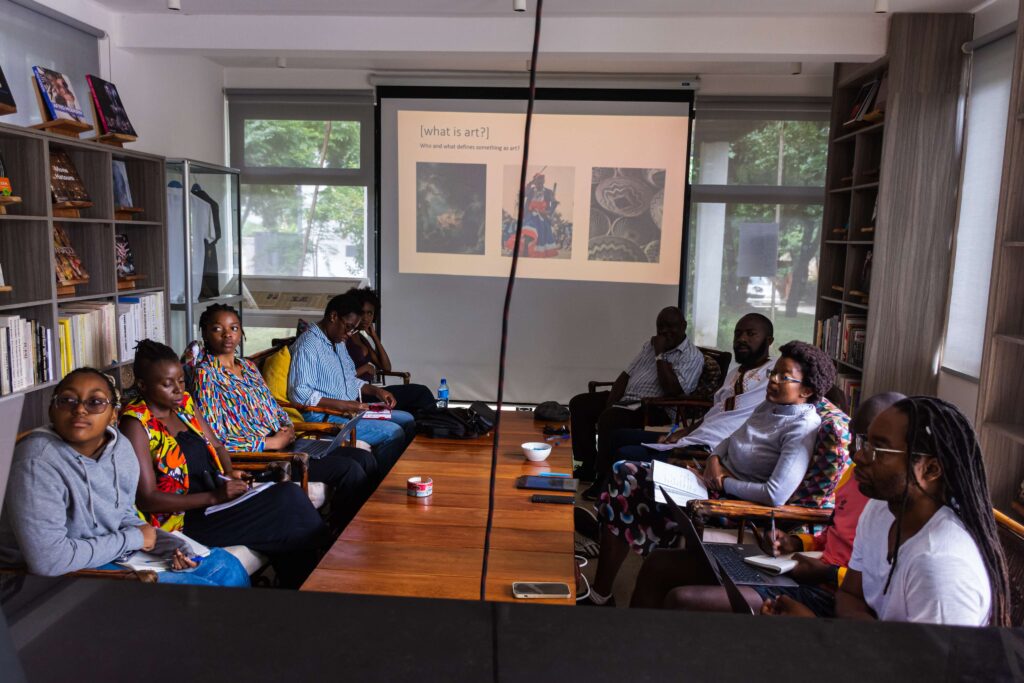
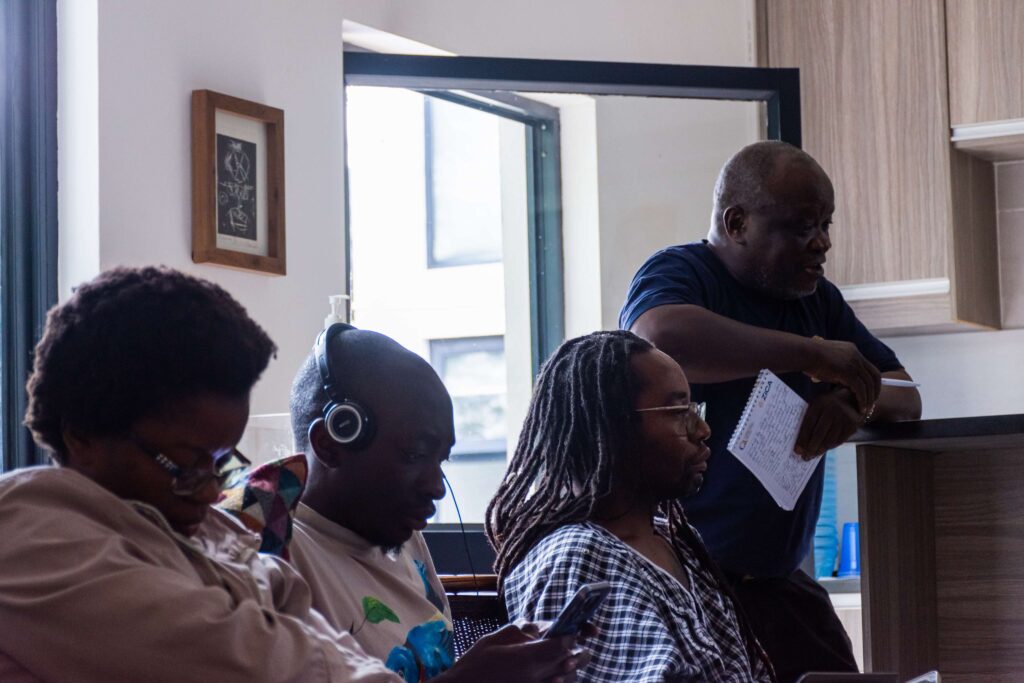
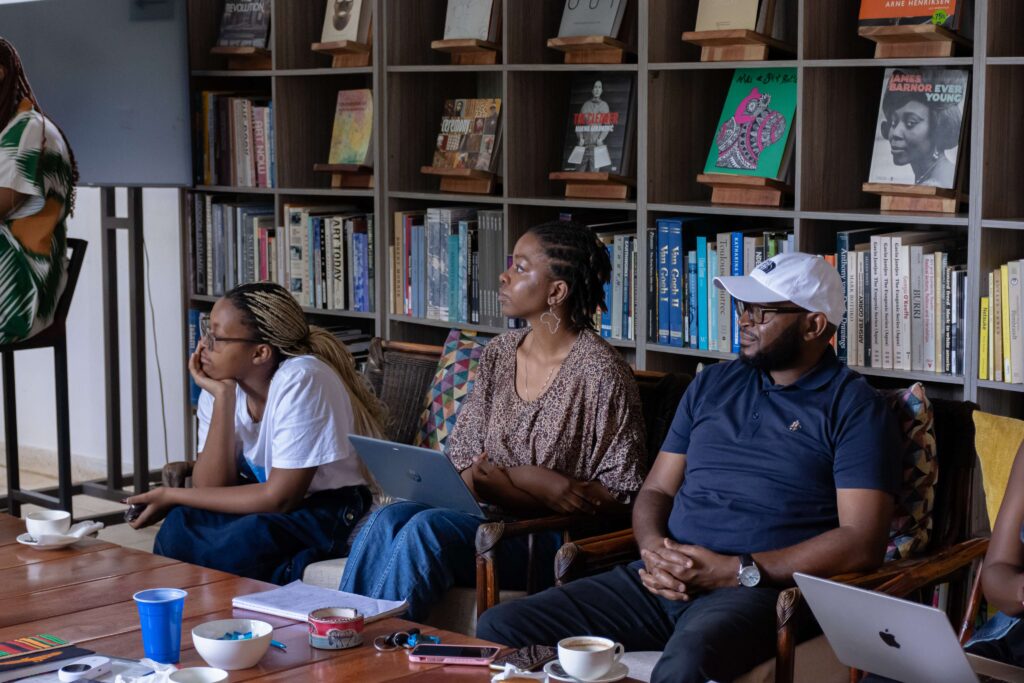
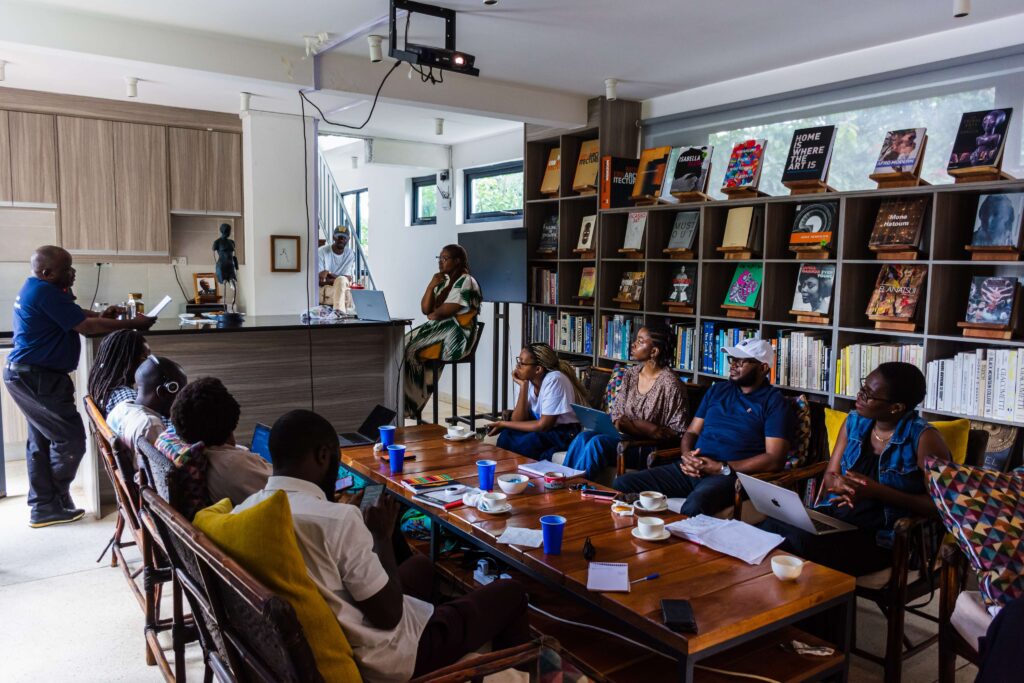
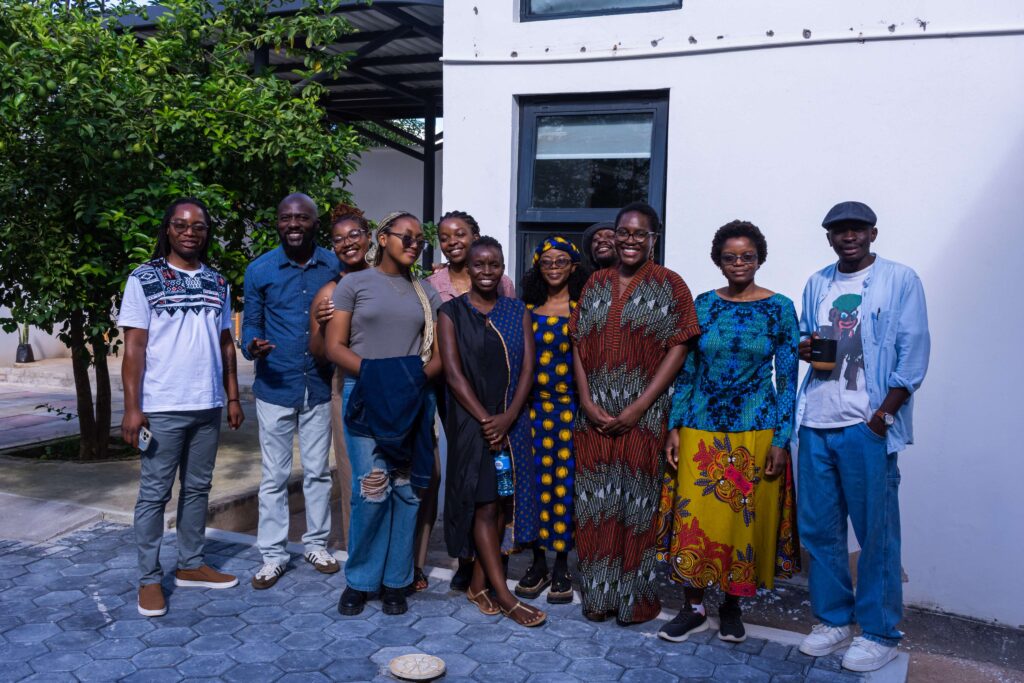
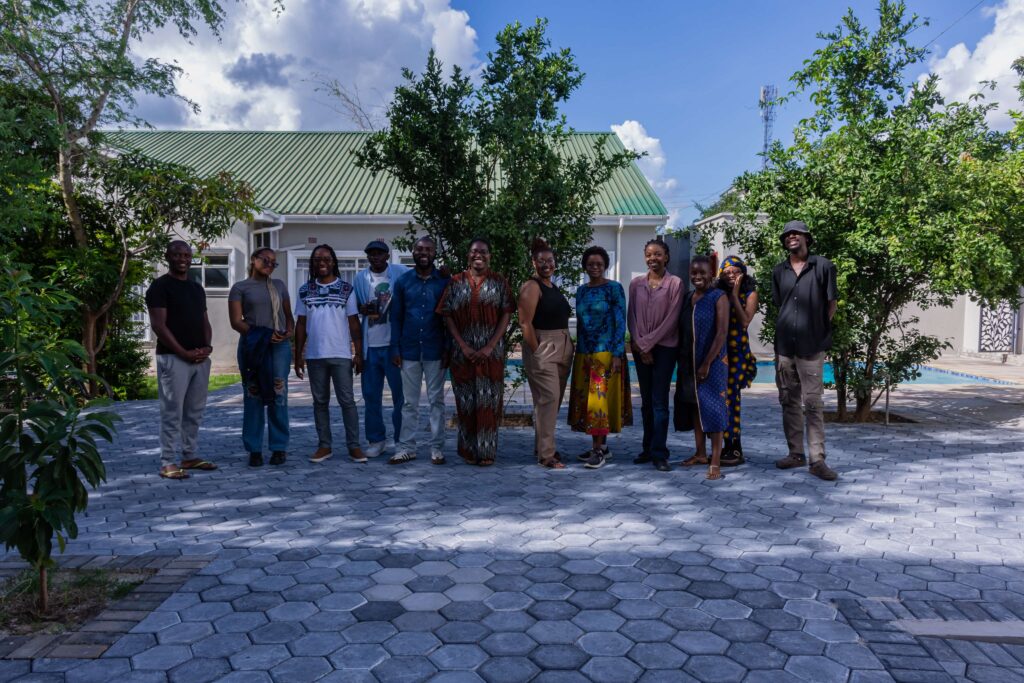
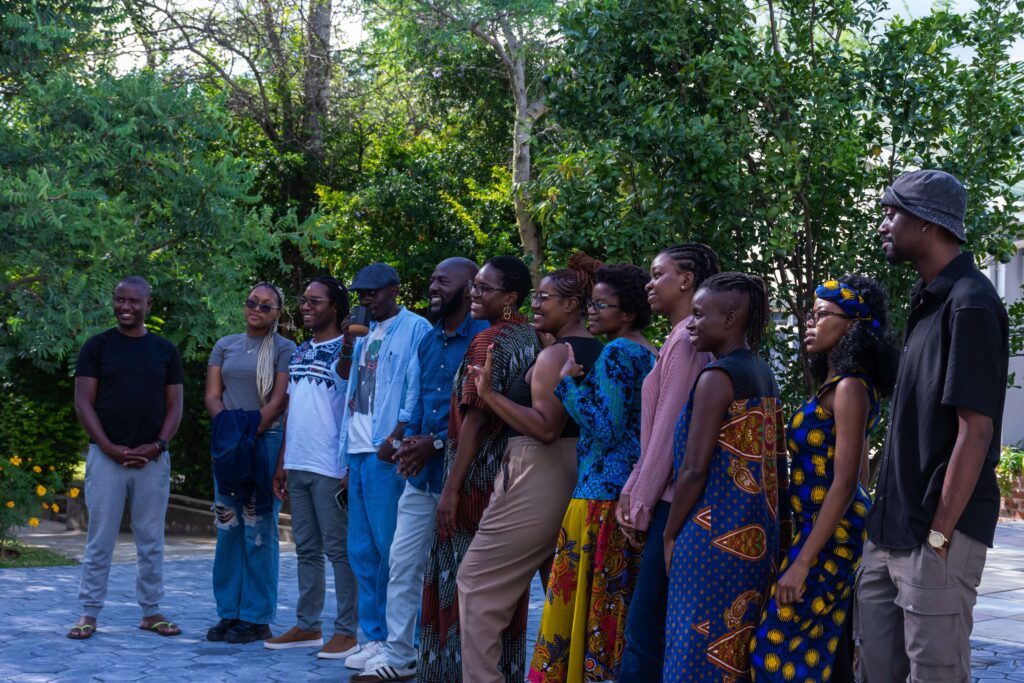
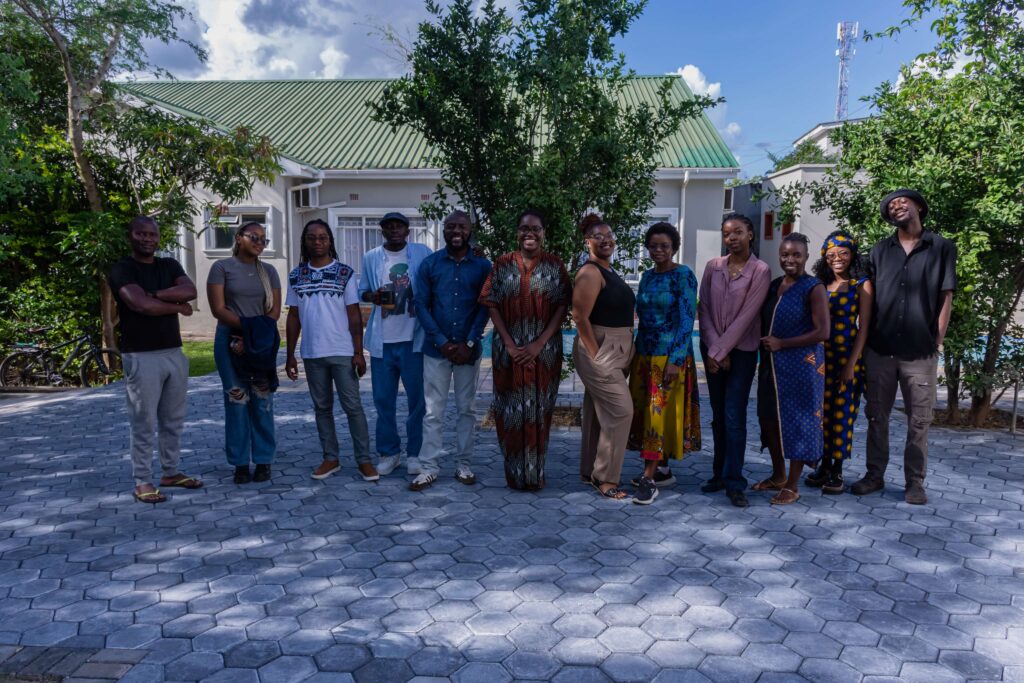
LuCAC in partnership with the ARAK Collection hosted at our  facilities a critical  writing workshop from Friday 20 – Sunday 22 February, 2026. The workshop was facilitated by Editior, writer and creative director Shammah Phiri, editior of Nkwazi Magazine. 


Themed “Arts and Culture in Zambia (1964 –1994 and Beyond)” the workshop  explored the evolution of Zambian art and culture from independence in 1964, through the transformative years leading up to the 1990s, in contrast and continuity to recent years, with an emphasis on literary interpretation, cultural criticism, and the interconnection between artistic expression and national identity.


The workshop further examined how writers, visual artists, and cultural practitioners have shaped Zambia’s social imagination and contributed to the broader discourse of decoloniality, transformation, regional influence and incorporating traditional motifs with modern styles.


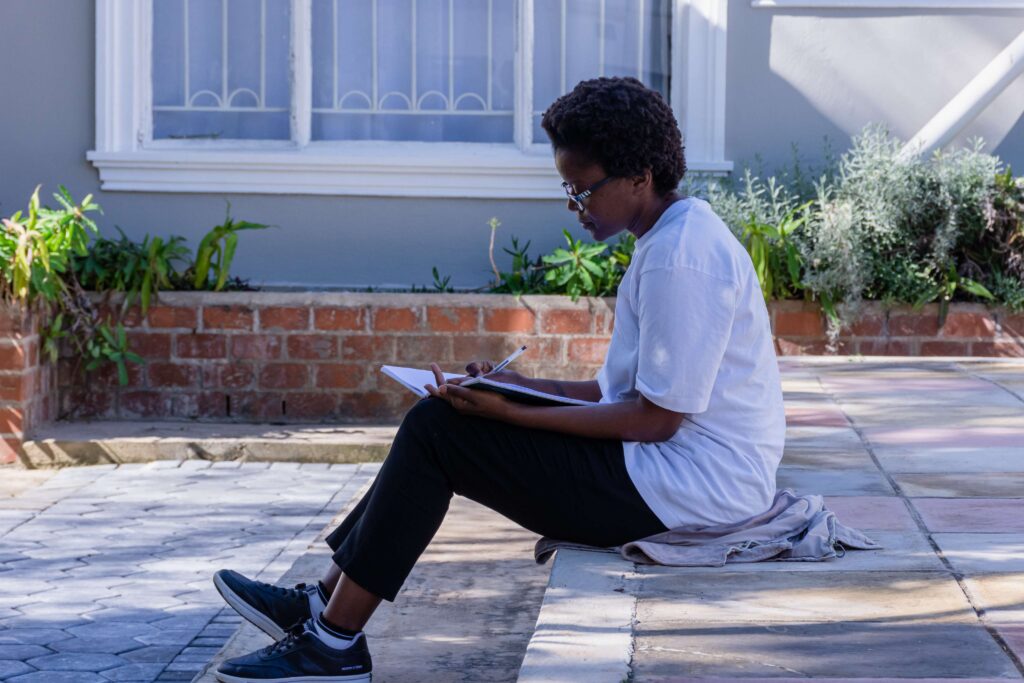
By the end of the workshop, writers further developed their analytical, creative, and reflective skills essential for interpreting and conveying literary works that celebrate Zambia’s artistic heritage while envisioning its cultural future.

The goal of the critical writing workshop was for participants to be adept at;

  • Producing compositions that are well structured
  • Analysing material from a critical understanding
  • Comprehending the different forms and styles of writing
  • Critically writing about the topic and focus
  • Produce writing that can be Published in the ARAK Journal

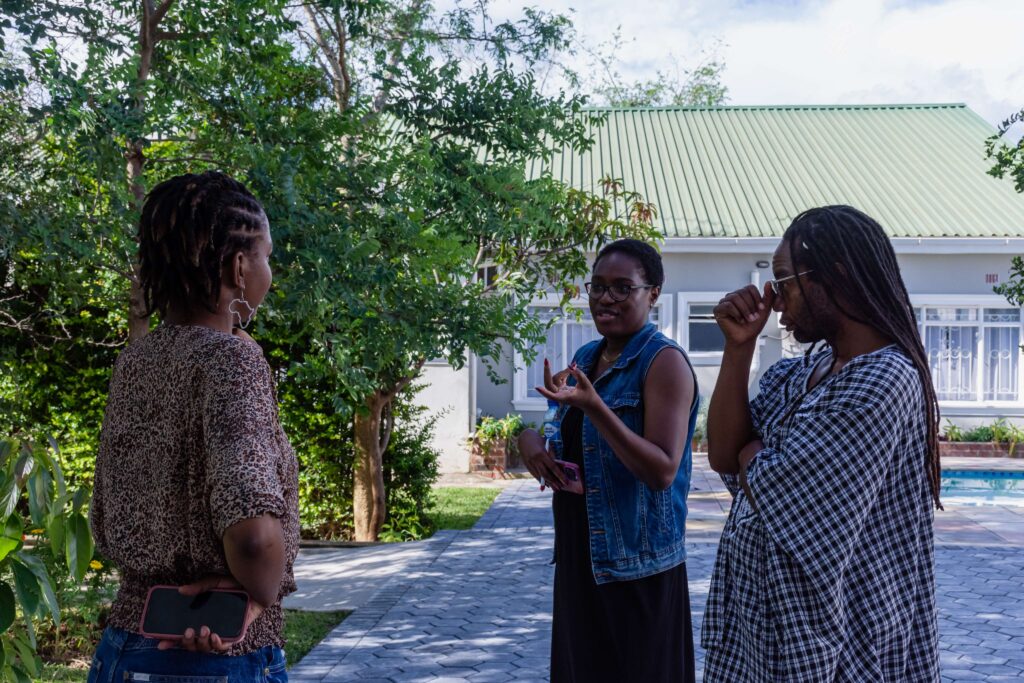
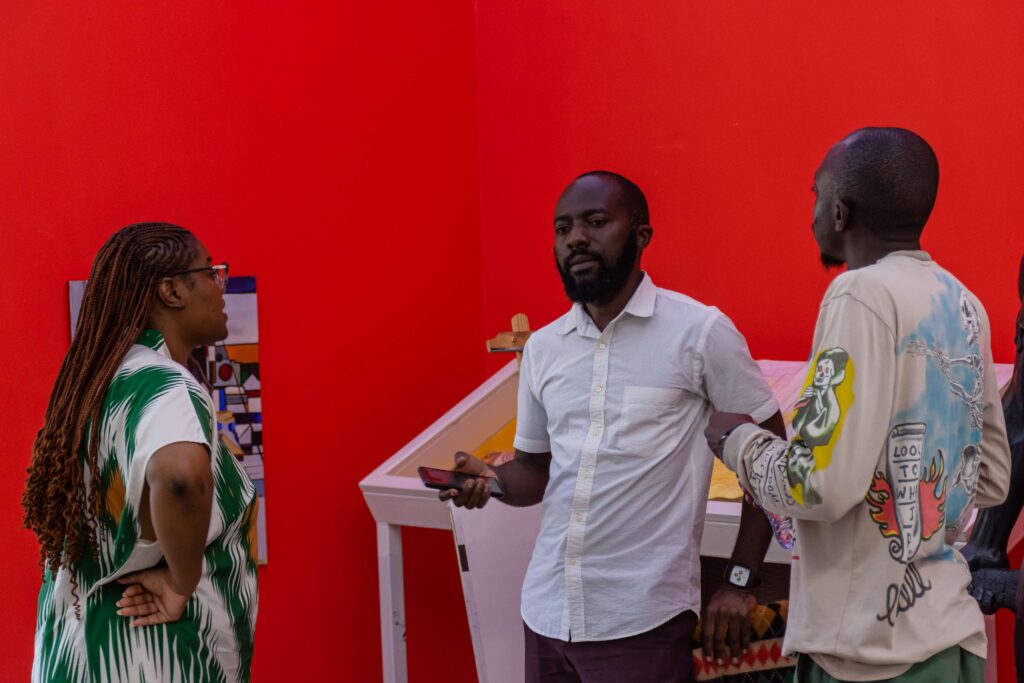
The workshop also extended beyond the LuCAC Library, taking participants into three distinct corners of the local art scene to sharpen both their perception and their prose. The group first visited a collector’s private collection, gaining rare insight into the personal narratives, tastes, and long-term commitments that shape art beyond institutional walls. Then they visited Lechwe Trust Art Gallery that was hosting a newly opened exhibition, “Destiny” by Henry Tayali where they engaged directly with contemporary works in a curated public setting and finally, they visited artist Andrew Makromallis at his  private studio and residence.  Culmulatively, these experiences grounded the participants analysis in lived, local artistic contexts.

; } .etn-event-item .etn-event-category span, .etn-btn, .attr-btn-primary, .etn-attendee-form .etn-btn, .etn-ticket-widget .etn-btn, .schedule-list-1 .schedule-header, .speaker-style4 .etn-speaker-content .etn-title a, .etn-speaker-details3 .speaker-title-info, .etn-event-slider .swiper-pagination-bullet, .etn-speaker-slider .swiper-pagination-bullet, .etn-event-slider .swiper-button-next, .etn-event-slider .swiper-button-prev, .etn-speaker-slider .swiper-button-next, .etn-speaker-slider .swiper-button-prev, .etn-single-speaker-item .etn-speaker-thumb .etn-speakers-social a, .etn-event-header .etn-event-countdown-wrap .etn-count-item, .schedule-tab-1 .etn-nav li a.etn-active, .schedule-list-wrapper .schedule-listing.multi-schedule-list .schedule-slot-time, .etn-speaker-item.style-3 .etn-speaker-content .etn-speakers-social a, .event-tab-wrapper ul li a.etn-tab-a.etn-active, .etn-btn, button.etn-btn.etn-btn-primary, .etn-schedule-style-3 ul li:before, .etn-zoom-btn, .cat-radio-btn-list [type=radio]:checked+label:after, .cat-radio-btn-list [type=radio]:not(:checked)+label:after, .etn-default-calendar-style .fc-button:hover, .etn-default-calendar-style .fc-state-highlight, .etn-calender-list a:hover, .events_calendar_standard .cat-dropdown-list select, .etn-event-banner-wrap, .events_calendar_list .calendar-event-details .calendar-event-content .calendar-event-category-wrap .etn-event-category, .etn-variable-ticket-widget .etn-add-to-cart-block, .etn-recurring-event-wrapper #seeMore, .more-event-tag, .etn-settings-dashboard .button-primary{ background-color: ">